
Your take-away: start your Pixel Breaks. Tomorrow.
One small cleanup task a day instead of scrolling. Good for your data, good for your head.
Part of Planet & Pixels, based on 5S-Digital by Let’s Do It Germany, built on Kaizen: small steps, every day. The next date for everyone: Digital Cleanup Day, every year on the third weekend in March.
The evening
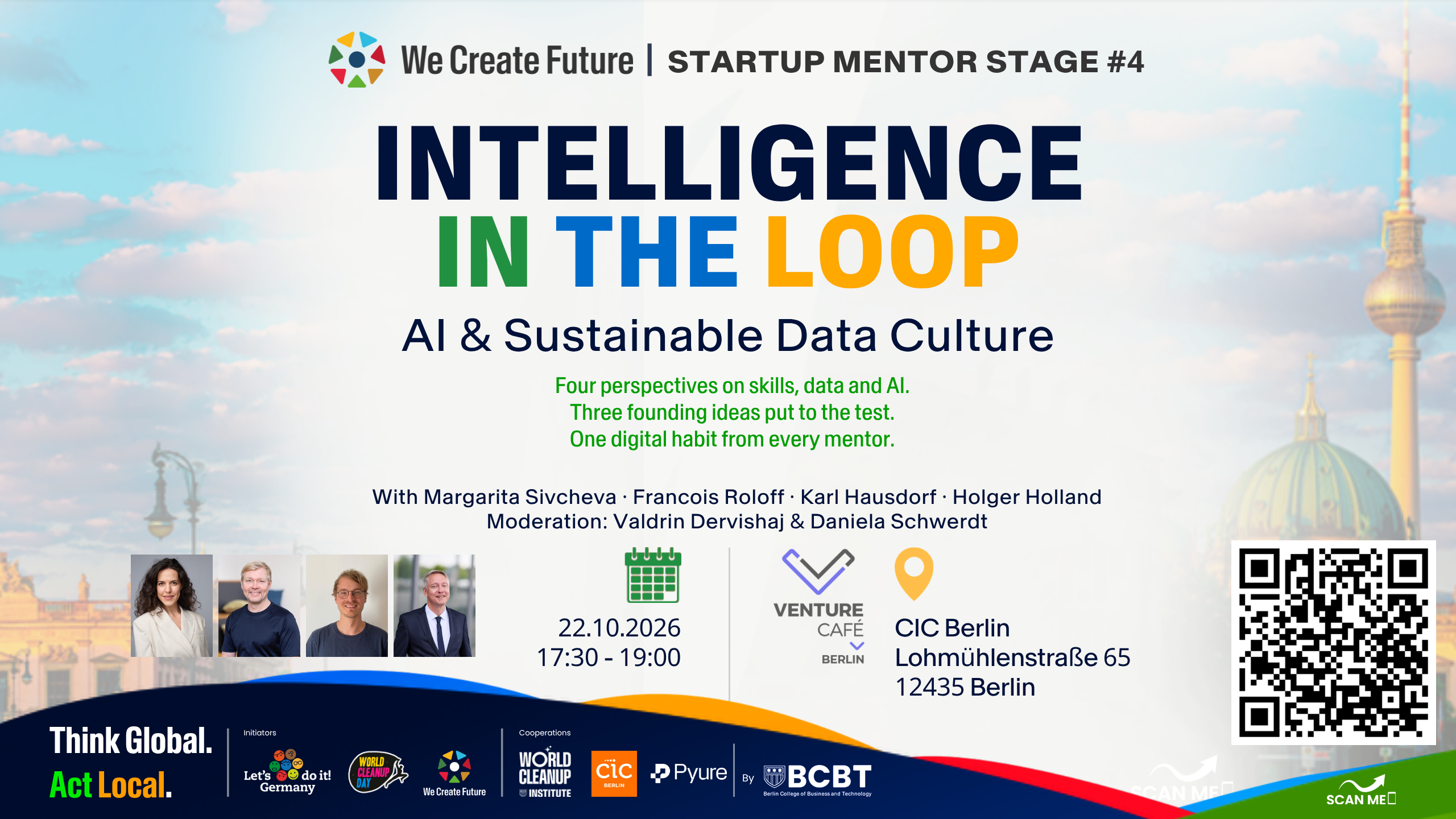
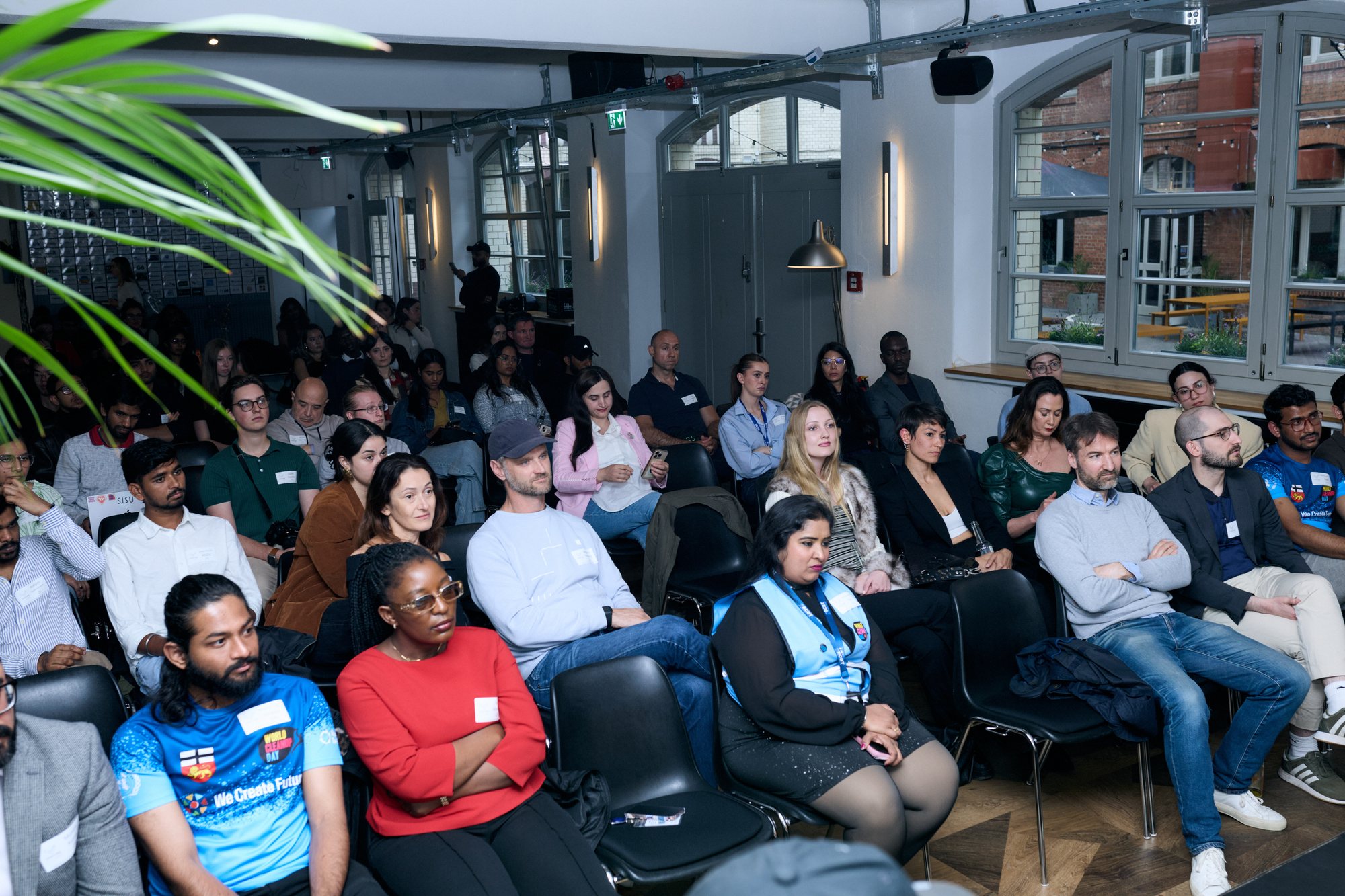
Four mentors open with a short impulse, one question each. Then three founding ideas take the stage and get direct feedback, and every mentor leaves the audience with one small take-away: a digital habit to start tomorrow. Stage #4 closes the Inaugural Day of the Berlin College of Business and Technology and opens the AI Entrepreneurship Hackathon the next day.
- 00
16:00 · Pre-programme: guest lecture
Margarita Sivcheva on “Communication Skills in the AI Era” at the Berlin College of Business and Technology.
- 01
17:30 · Part 1: Perspectives
Valdrin Dervishaj and Daniela Schwerdt open the evening. Four mentors each give a short impulse, followed by questions from the audience.
- 02
17:58 · Part 2: Startup pitches
Three founding ideas, 5 minutes each, with direct feedback from the mentors.
- 03
18:40 · Closing round: take-aways
Every mentor leaves the room with one digital habit to start tomorrow, followed by an outlook on the Build for Business Hackathon.
- 04
19:00 · Networking
Talk to mentors, moderators and founders until 20:00.
The theme: Intelligence in the Loop
AI is only as good as the data it learns from and the people who decide what to do with its answers. “Intelligence in the Loop” brings four questions to the stage: Which human skills matter most when AI writes along? How do founders build a responsible digital business from day one? When is AI the right tool, and when not? And how do good digital habits become visible and verifiable? A sustainable data culture means knowing the footprint of what we store and send, protecting people from information overload, and building digital habits that last.
“Every streamed film, every installed app, every e-mail written causes CO₂. Every like has a footprint. And the cloud is not a cloud in the sky: it consumes enormous amounts of energy.”
The data iceberg

Most of the data organisations store is never used again. Above the waterline sits the small share that is business-critical. Below it lies dark data: data whose content and value nobody knows. It is unclear, unrecognised and still stored, secured and cooled every day. Planet & Pixels, developed in 2023 by AGEPO with FSAS (formerly Fujitsu), makes this hidden part visible. That hidden load costs more than storage space: it costs time and attention every time someone searches for the right file.
Share of stored data · Veritas Global Databerg Report (2016; 2,550 respondents in 22 countries). Image: We Create Future Stage #4.
AI learns from the data we keep. If nobody knows what lies below the waterline, AI builds on it anyway. Better tools alone will not change this. Education will: people who understand their data, keep it clean and decide what is worth keeping.
Skills, habits and responsible founding
The skills students, employees and founders need when AI becomes part of everyday work, and how to build a digital business responsibly from day one.
Sustainable data culture
It starts with people: knowing what we store and send, protecting attention from information overload, and building digital habits that last. The footprint matters too: information and communication technology causes 2.1–3.9 % of global greenhouse gas emissions, more than all air traffic at around 2 % (Freitag et al., 2021). Planet & Pixels shows how a cleanup mindset makes digital work leaner, calmer and more energy-efficient.
Sovereign AI and data
How organisations create value with AI from data they control, and why clean, well-kept data is the basis: storing data that is never used again caused an estimated 5.8 million tonnes of CO₂ in 2020 (Veritas, 2020), roughly the annual emissions of 740,000 people in Germany.
Why now
With the Ecodesign for Sustainable Products Regulation (EU) 2024/1781, the EU introduces a digital product passport for products sold in the single market. Data, AI and circular design are moving from pilot projects into everyday business. At the same time, AI is changing how students, employees and founders work every day. Using it wisely, without drowning in information, is becoming a core skill.
Questions of the evening
01
How do founders communicate clearly with and through AI without losing their own voice?
02
Who owns what AI helps to create, and what should graduates and founders protect from day one?
03
Where must people stay in the loop when AI supports decisions on products, data and resources?
Where the evening leads
Clean data does not happen by itself. The closing round brings the three levers together that turn a cleanup into a culture.
Education
Data literacy for students, employees and founders: workshops, learning series and teaching formats such as Planet & Pixels and the BCBT programmes.
Verification and certification
What is claimed must be checkable: participation certificates as verifiable credentials and responsibility assessments such as the WCRI.
Civil society and associations
Change spreads through people who act together: World Cleanup Day Germany, Let’s Do It Germany e.V. and partner associations
Speakers
Karl Hausdorf
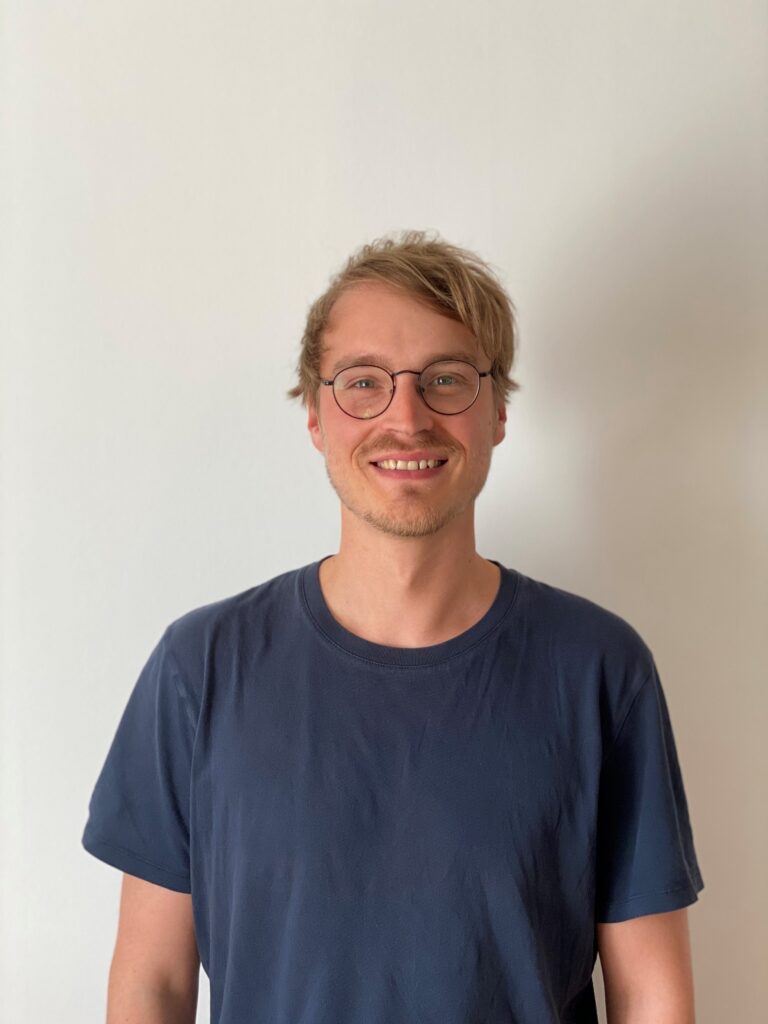
Helps organisations create value with AI from their own sovereign data. Previously head of Fujitsu’s Generative AI business incubator. FSAS (formerly Fujitsu) is a partner of Planet & Pixels and of World Cleanup Day Germany.
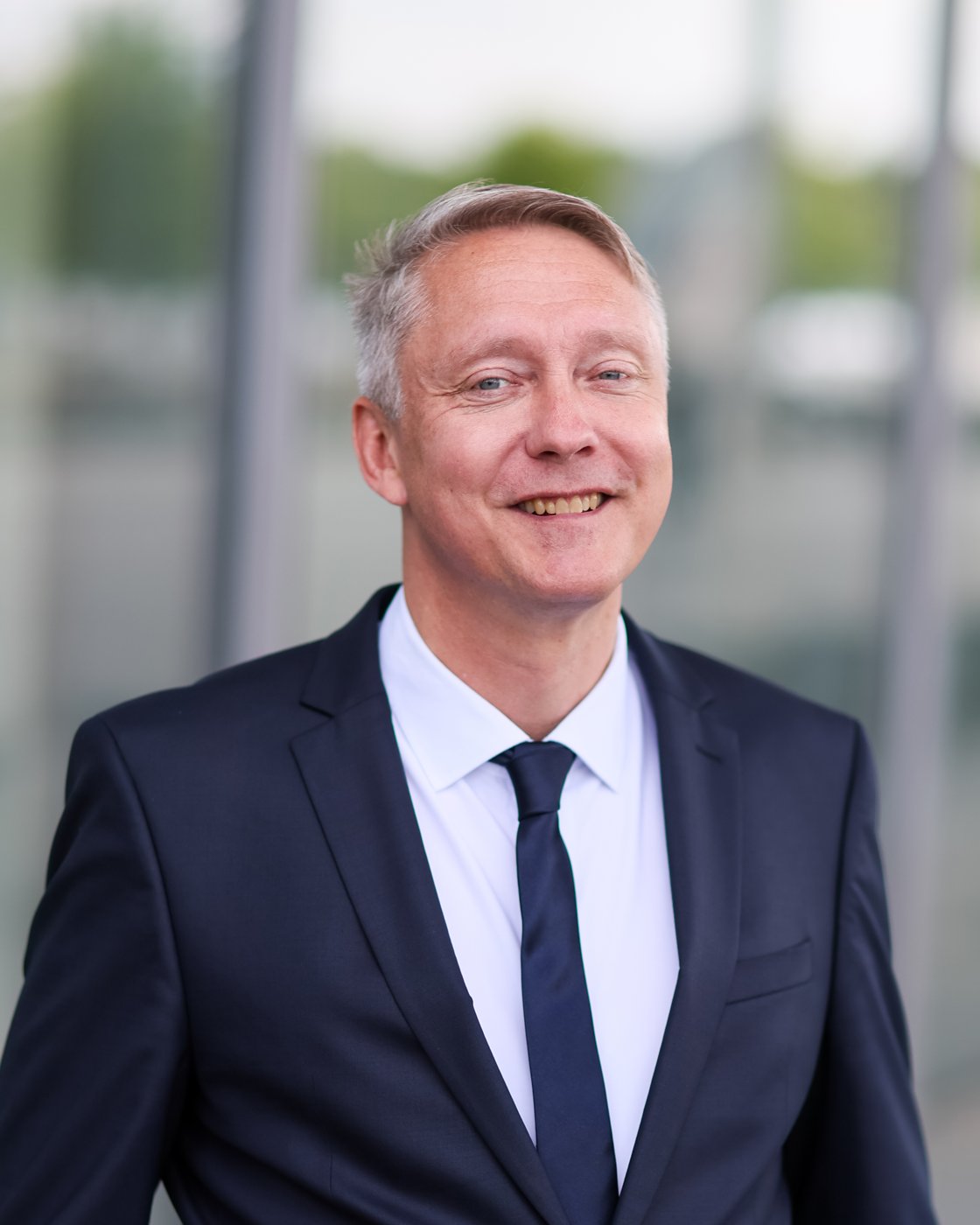
Holger Holland
Co-founder of BCBT and director of the WCI. Initiator of World Cleanup Day Germany, president of Let’s Do It Germany e.V. and EU Climate Pact Ambassador. In Planet & Pixels he brought together the environmental engagement of World Cleanup with the technical expertise of Fujitsu (today FSAS), and runs impulse workshops on a sustainable data culture at BCBT, Freie Universität Berlin and THEX. holgerholland.de
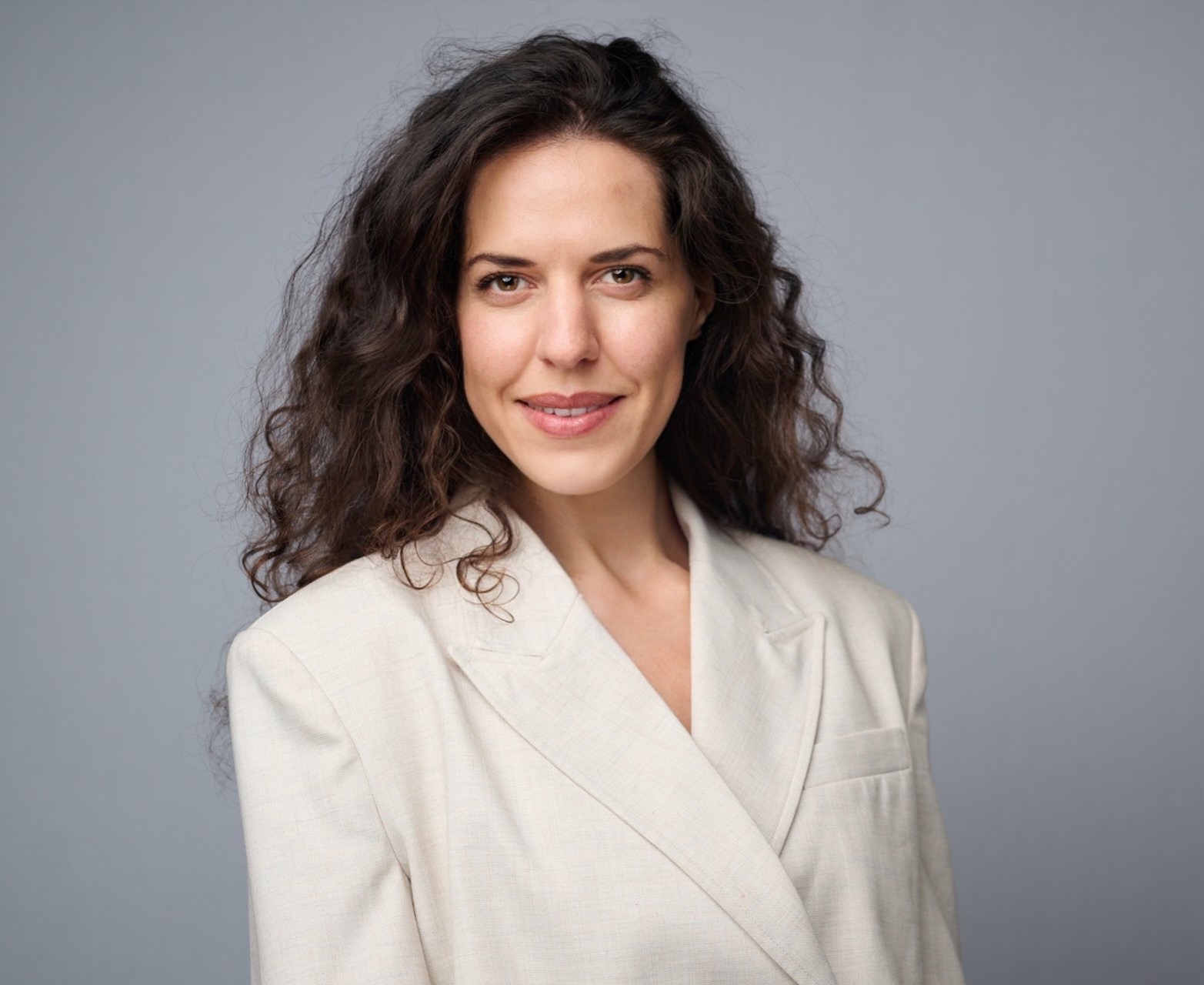
Margarita Sivcheva
Business development expert who connects people across countries and industries. On 22 October she also gives the guest lecture “Communication Skills in the AI Era” at BCBT. Her question: which human skills matter most when AI writes along?
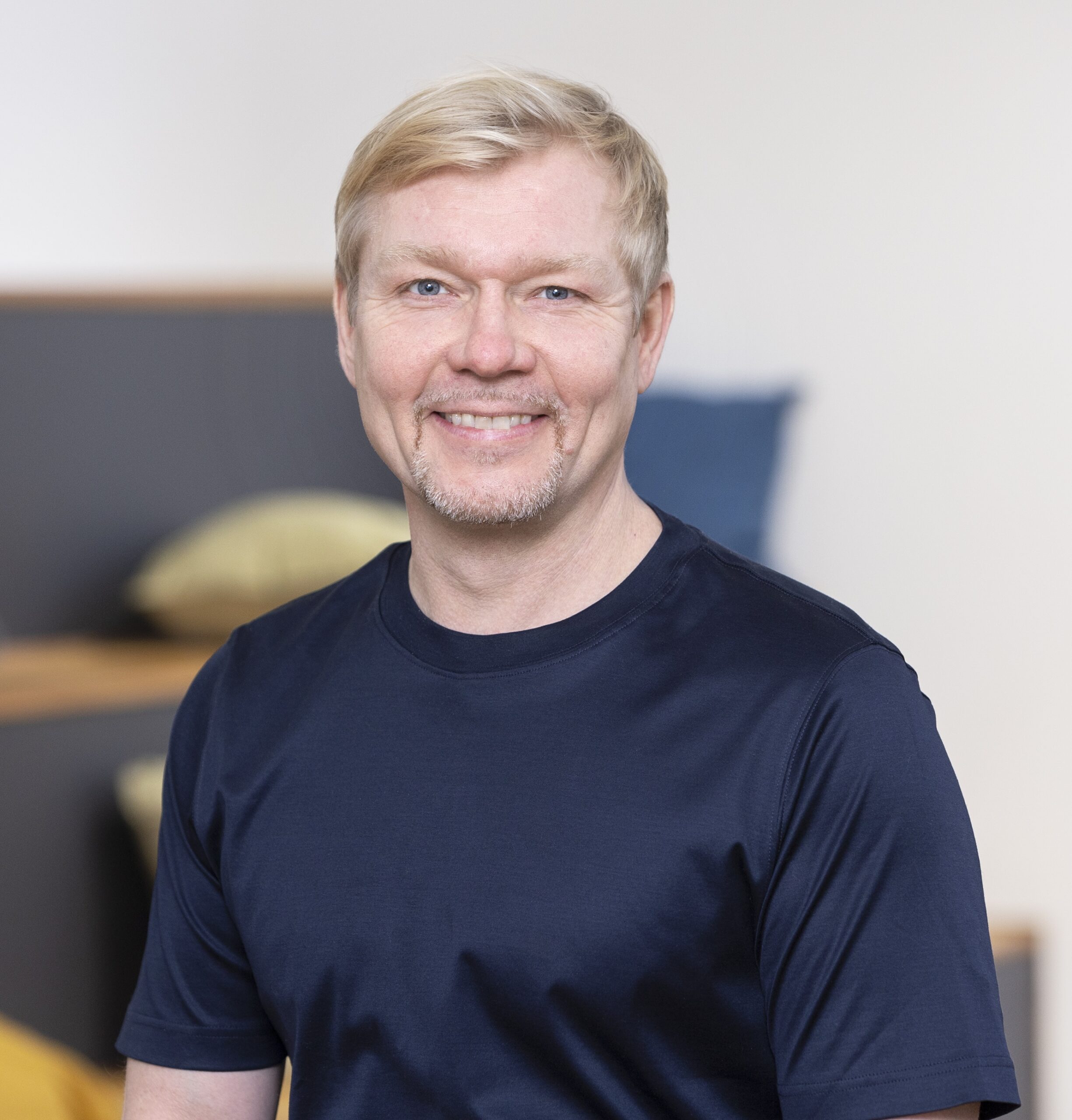
Francois Roloff
CEO and co-founder of Pyure, a Berlin climate-tech company that measures and reduces the CO₂ emissions of digital advertising. More than 18 years in AdTech and digital media, including as CEO of madvertise. His question: what should founders feed into AI, what do they own afterwards, and how do you build a responsible digital business from day one?

Valdrin Dervishaj
Co-founder of the Berlin College of Business and Technology, where he teaches human capital management and entrepreneurship. Previously advisor to the Minister of Education, Science, Technology and Innovation of Kosovo, where he helped bring around 80 % of the ministry’s core services online within two years. His mission: making higher education more accessible, meaningful and impactful.

Daniela Schwerdt
Event host and moderator since 2018, and responsible for PR communication at the World Cleanup Institute. As ambassador of World Cleanup Day Germany she moderated this year’s national focus day in Bonn. She develops PR and social media strategies and likes to bring people and perspectives together on stage.
Pitch your startup idea
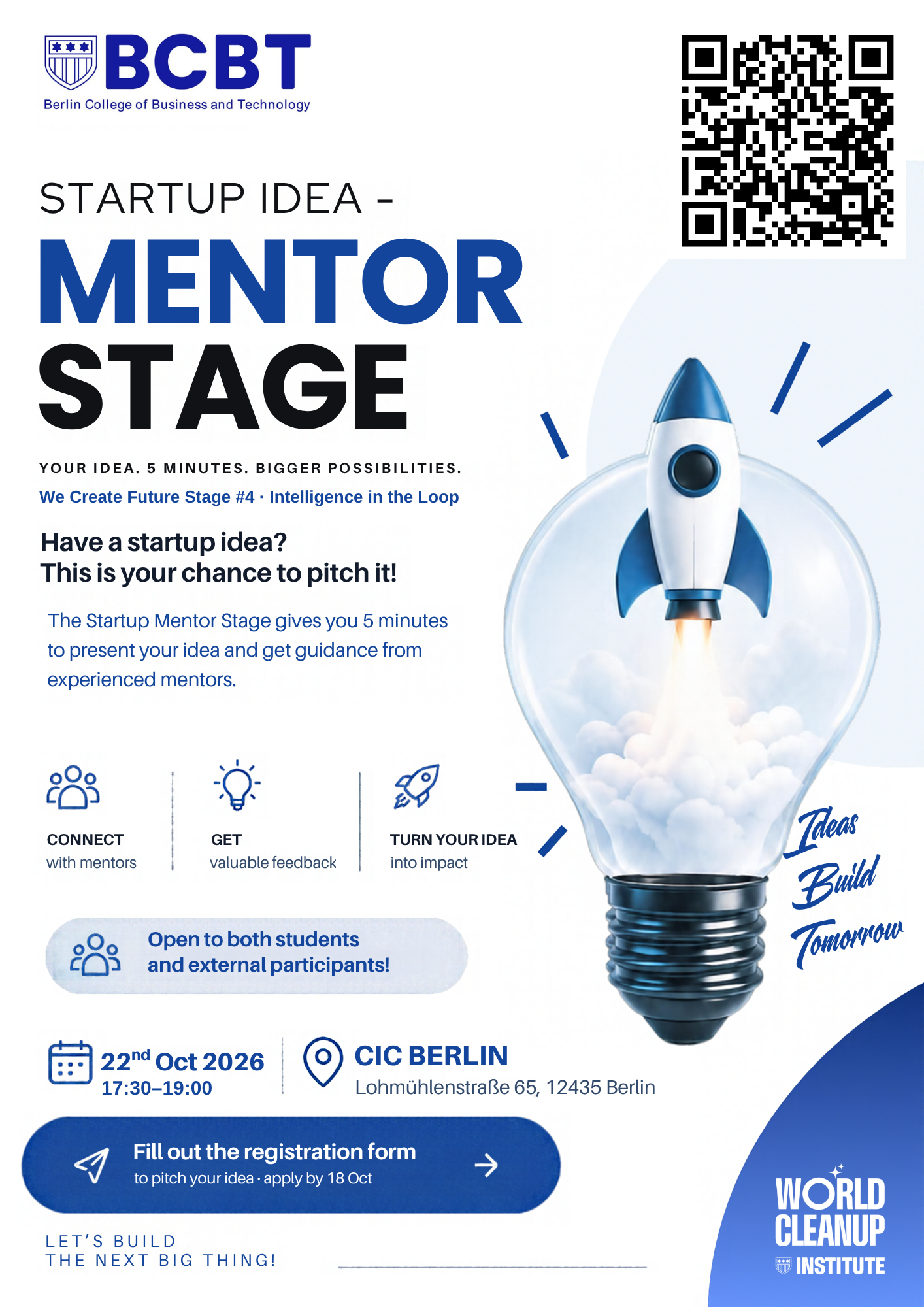
Have a startup idea? Pitch it.
The Startup Mentor Stage gives you 5 minutes to present your idea and get guidance from experienced mentors. Open to students and external participants. Early-stage ideas are welcome, a prototype is not required.
Connect
with mentors from the founder and investor community.
Get
valuable feedback on your idea in front of an audience.
Turn your idea
into impact, with concrete next steps.
Who should come
Founders and students
with an idea they want to test, or curious to see how others pitch.
AI and data people
who want to see where AI meets real products, materials and value chains.
Sustainability and data practitioners
working on green IT, data reduction, product data or ESG reporting.
Part of the sustainable data culture
The evening continues the work of Planet & Pixels (since 2023: Fujitsu Data Cleanup Week 2024, RWTH Aachen AIP conference 2024, transform_D Summit of the DSEE 2025). In February 2025 CIONET Germany, Fujitsu, World Cleanup, BCBT and EQAsce ran three online workshops on a sustainable data culture, each with an ESG participation certificate (announcement on Instagram) and of the WCI focus topic Sustainable Data Culture. The topic continues in the AI Entrepreneurship Hackathon (23–26 October 2026).
Previous Mentor Stages
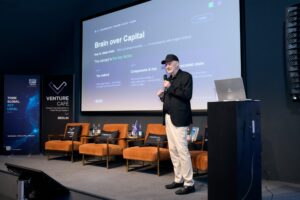
Stage #3 · Brain over Capital
A Different Way of Entrepreneurship, with Günter Faltin · event report
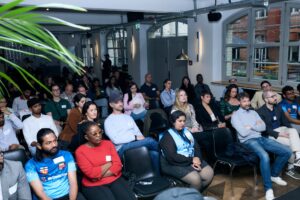
Stage #2 · Intelligence in the Loop
Humans, AI and the Future of the Circular Economy · event report
Date & venue
Thursday, 22 October 2026 · 17:30–19:00, networking until 20:00
CIC Berlin (BCBT campus), in cooperation with Venture Café Berlin, Lohmühlenstraße 65, 12435 Berlin
Free of charge.
Part of the We Create Future initiative.
Sources
- Regulation (EU) 2024/1781 on ecodesign requirements for sustainable products (ESPR), EUR-Lex.
- Planet & Pixels, programme page: Planet & Pixels (worldcleanup.org).
- Freitag, C., Berners-Lee, M., Widdicks, K., Knowles, B., Blair, G. S. & Friday, A. (2021). The real climate and transformative impact of ICT. Patterns, 2(9), 100340, doi:10.1016/j.patter.2021.100340.
- Veritas Technologies (2016): Global Databerg Report, summary: IDM, 18 March 2016. Veritas Technologies (2020), as cited on the Planet & Pixels page.
- Comparison per person: Germany emitted about 650 million tonnes CO₂e in 2024 (Umweltbundesamt), about 7.8 t per inhabitant; 5.8 Mt ÷ 7.8 t ≈ 740,000 people.
- BCBT on Instagram, 22 February 2025: online workshop series “Nachhaltige Datenkultur”.
- Holger Holland, “About me – Mein Leben”, holgerholland.de.
- Fujitsu at World Cleanup Day Germany: worldcleanupday.de/fujitsu.
- European Commission, ESPR and Energy Labelling Working Plan 2025–2030 (April 2025); summary: Sidley, April 2025.