
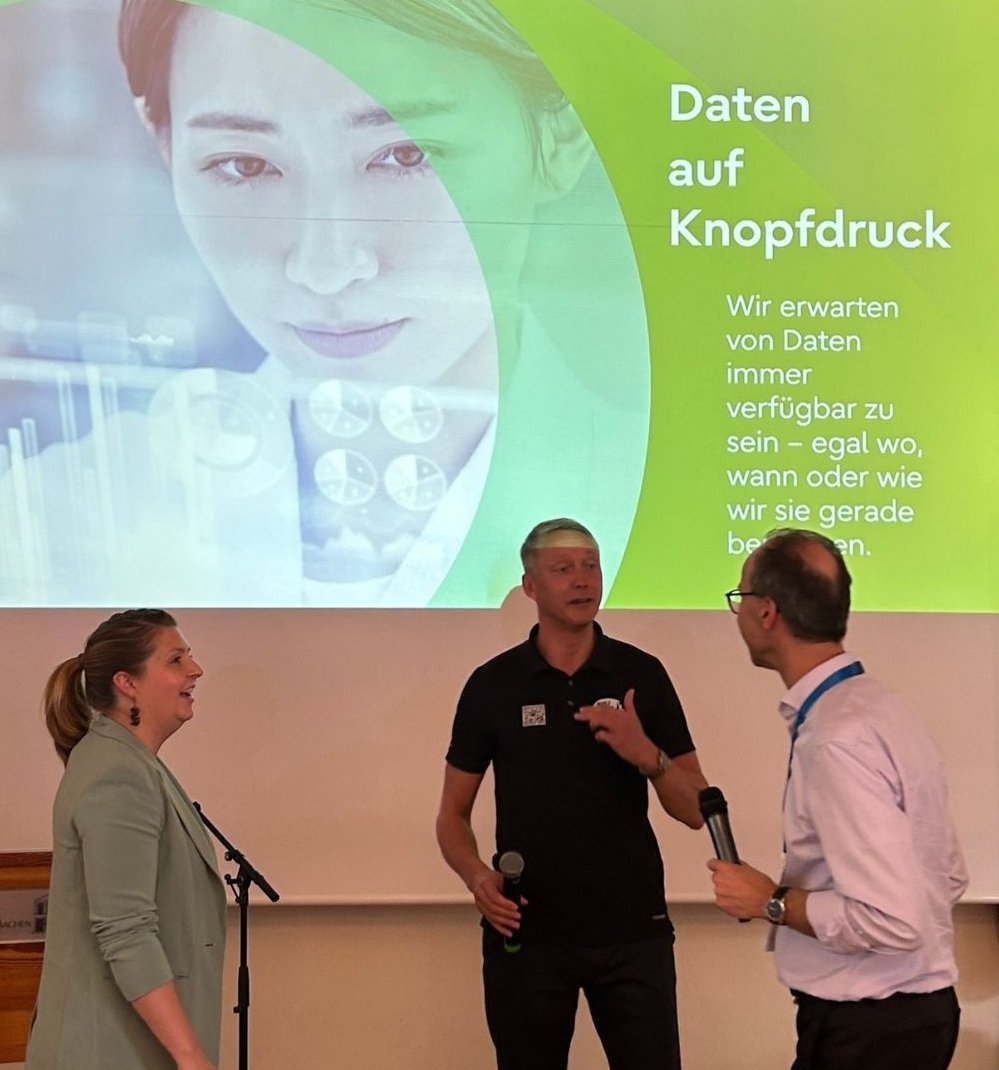
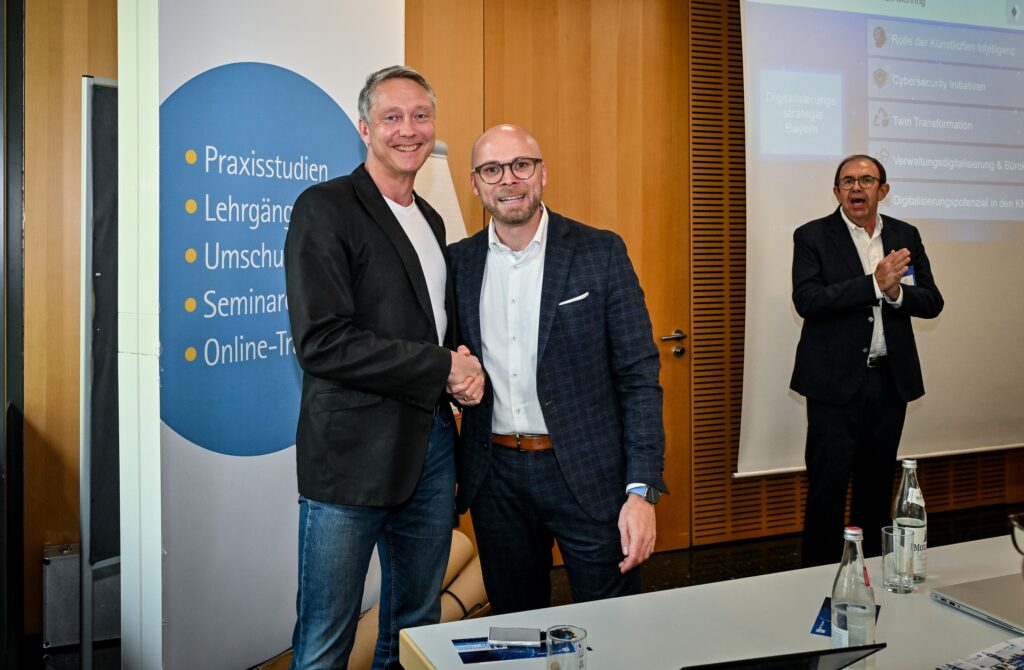
Left: Holger Holland and Annette Brunsmeier (then Fujitsu) presenting the project on sustainable data culture and Planet & Pixels at RWTH Aachen, AIP conference, 11 June 2024. Right: Holger Holland and Dr. Fabian Mehring, Bavarian State Minister for Digital Affairs.
Planet & Pixels
Planet & Pixels is the programme for a sustainable data culture. Fsas Technologies, a Fujitsu company, is a partner of the programme; CIOnet, the network for CIOs and IT leaders, is a partner of the campaign. More about Planet & Pixels →


From World Cleanup to Digital Cleanup
A cleanup works as a critical impulse: people see the waste, act together and change habits. The model transfers this logic from parks and beaches to servers, shared drives and cloud storage. World Cleanup and Digital Cleanup sit side by side, connected with the circular economy and with the data centres that store what we keep.
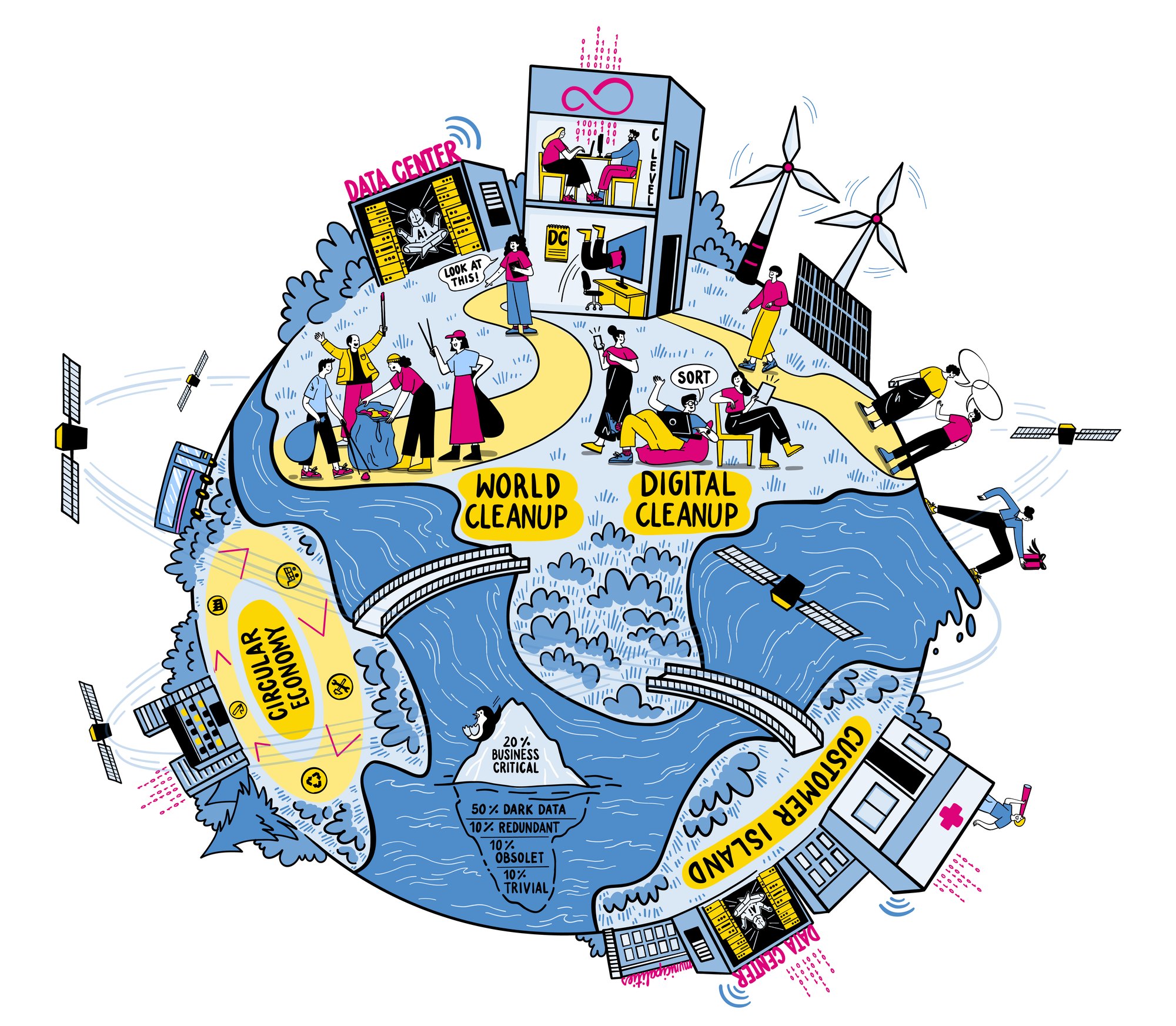


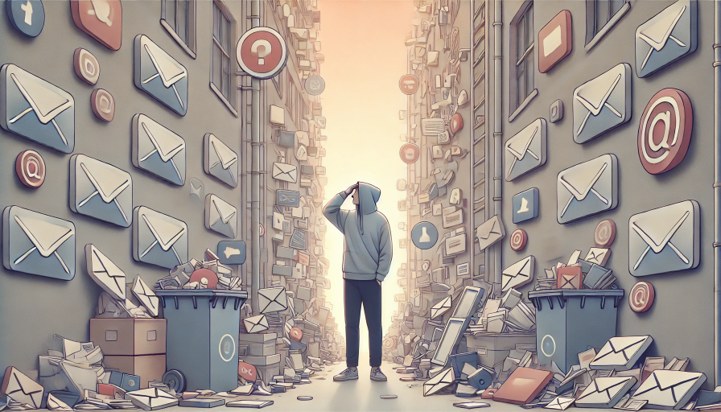
Analogue and digital storage raise the same question: what do we keep, and why? Illustrations (AI-generated): Planet & Pixels
Why it matters: the databerg
Share of stored data · Veritas Global Databerg Report, 2016 (2,550 respondents, 22 countries)
Most stored data is never used again. In the Veritas Global Databerg Report (2016; 2,550 respondents in 22 countries) only 15% of stored data was classed as business-critical, 52% as dark data of unknown value and 33% as redundant, obsolete or trivial (ROT). Every unused file still needs storage, energy and cooling. A sustainable data culture therefore links three dimensions: planet, people and profit, measured through CO₂, energy and data.
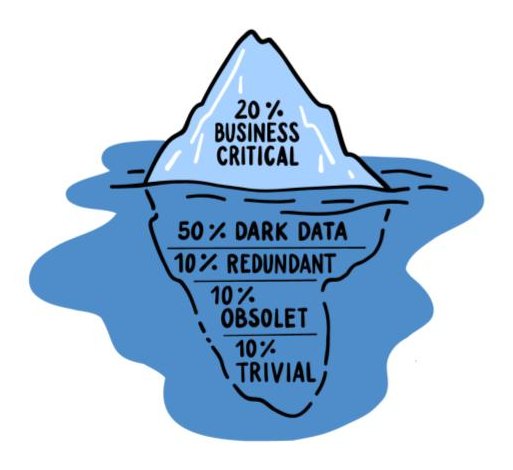
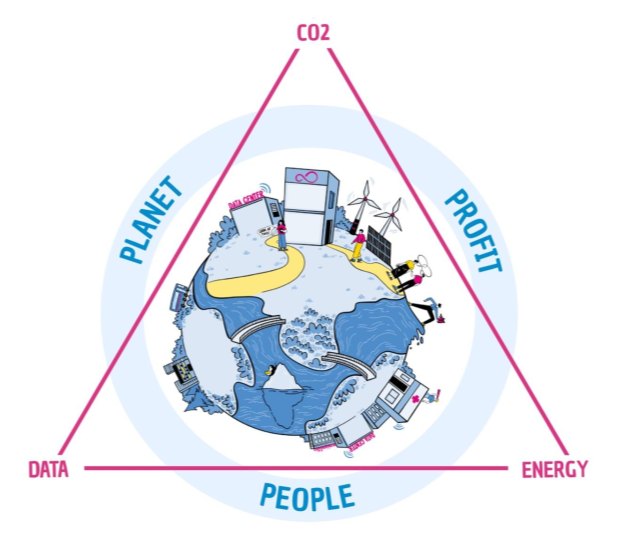
Illustrations: Planet & Pixels. The iceberg shows the principle; figures from the Veritas report are given in the text.
The model: 5S Digital
The model adapts the 5S method from the Toyota Production System (Kaizen) to digital work. The University of Helsinki transferred 5S to research data in 2019 (5S-Data); the Thuringian competence network for research data management (TKFDM) described the method for research data management in 2021. Planet & Pixels takes the next step: a cleanup as the starting impulse, then five steps that turn tidying up into a routine.
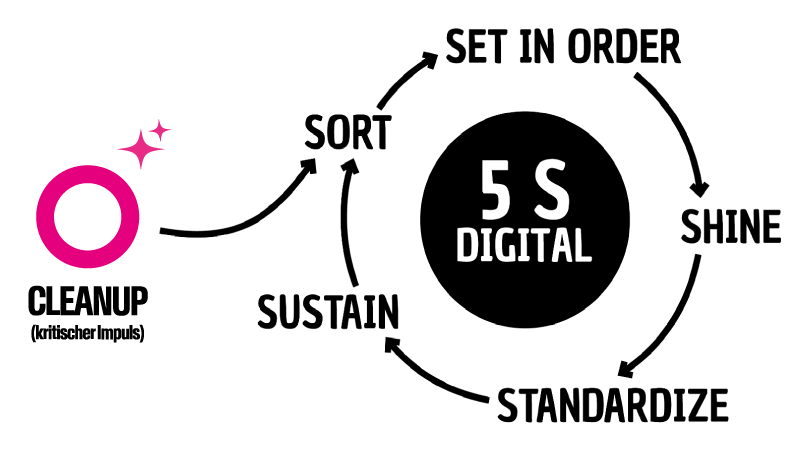
Delete what is no longer needed: dark data and ROT data. This frees storage and keeps the focus on critical data.
Structure folders along the real work areas and name files consistently, so files are found quickly.
Keep the order through regular reviews. Structures that do not work become visible and can be adjusted.
Turn good practice into shared rules and guidelines; use existing community standards where they exist.
Make the rules a daily routine, until they are followed without a second thought.
The five steps as a comic
Comic language makes the method easy to pass on. The Thuringian competence network for research data management (TKFDM) tells the five steps as a short story from everyday research.
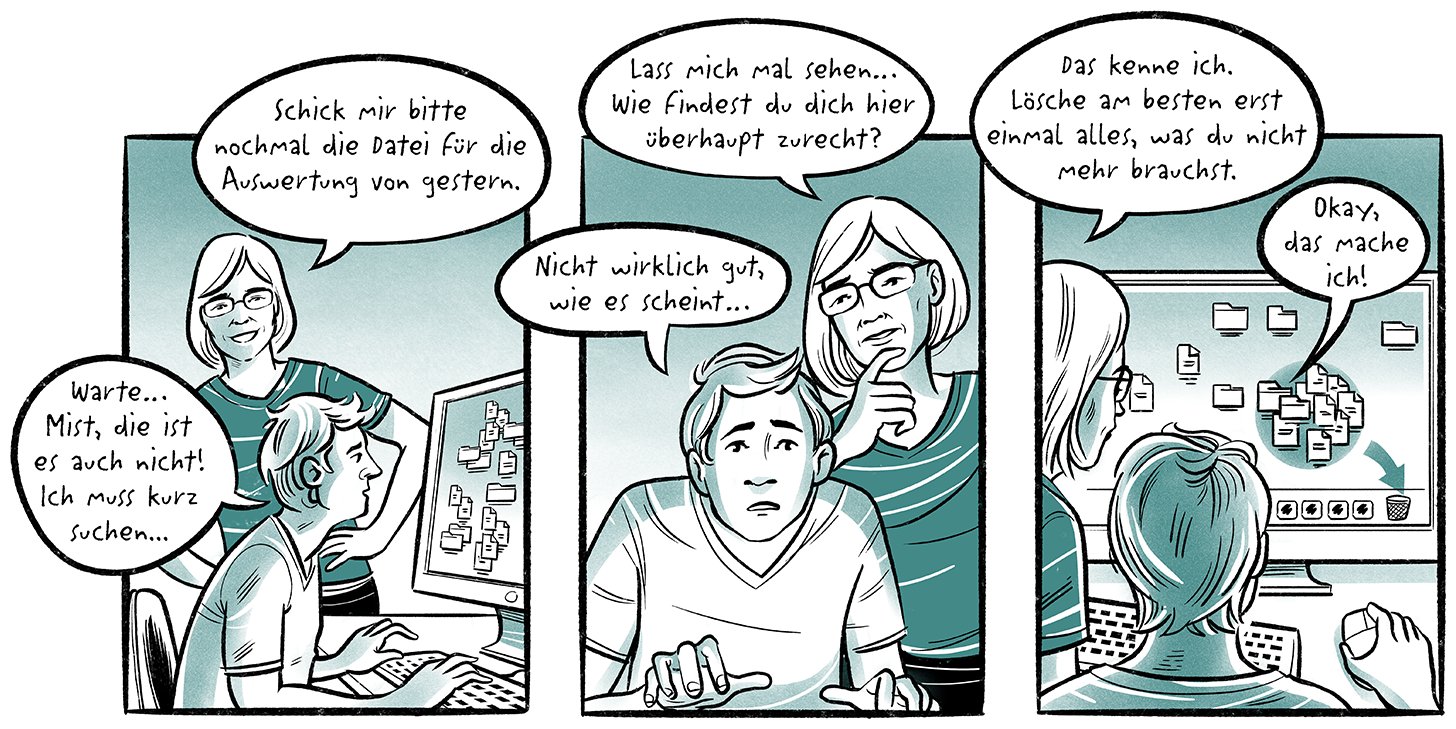
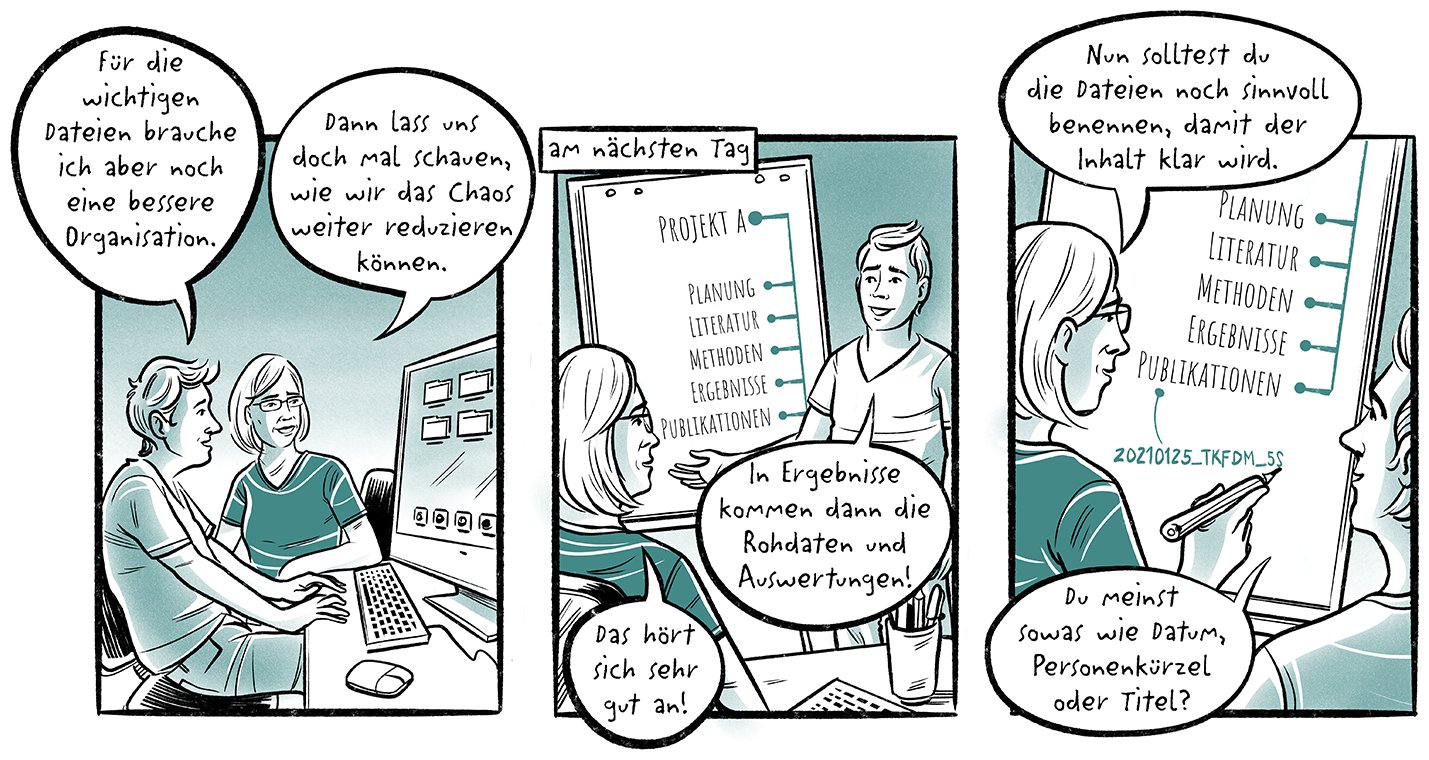
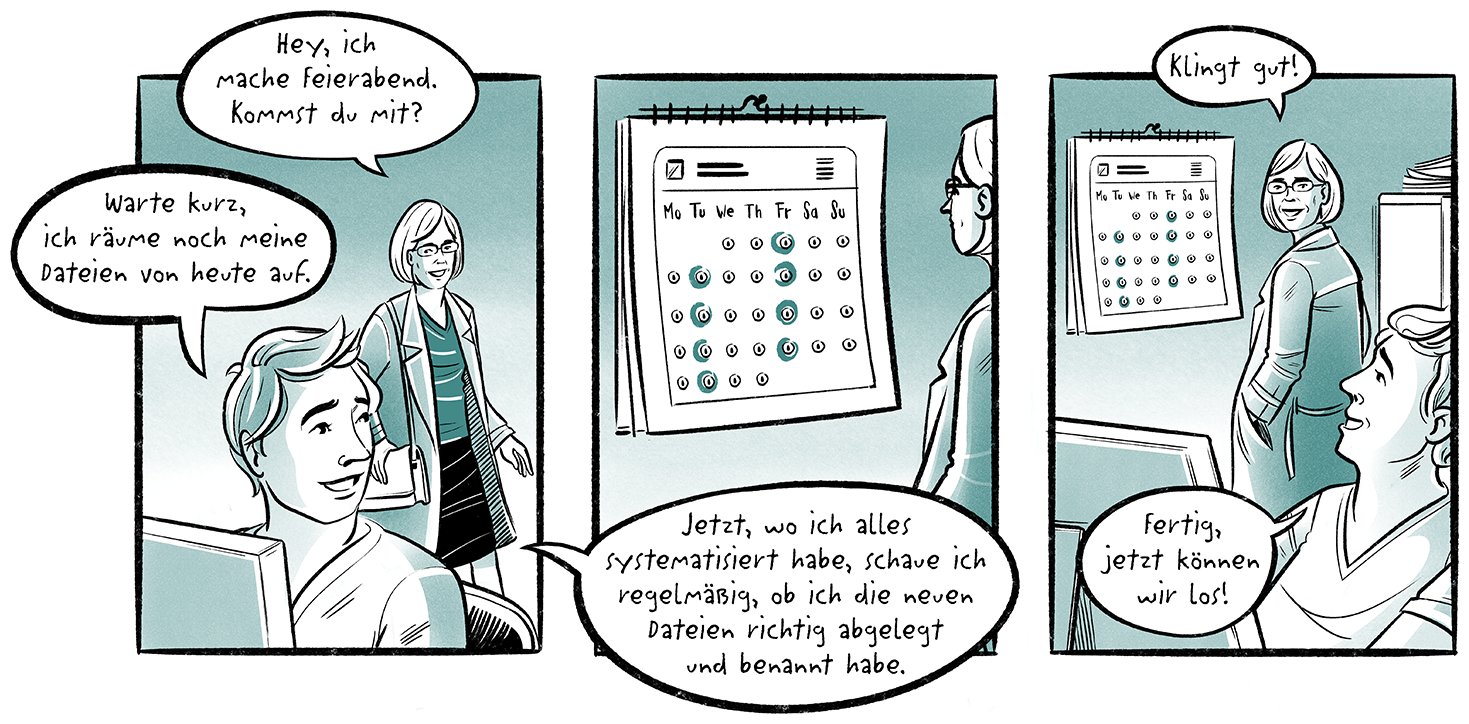
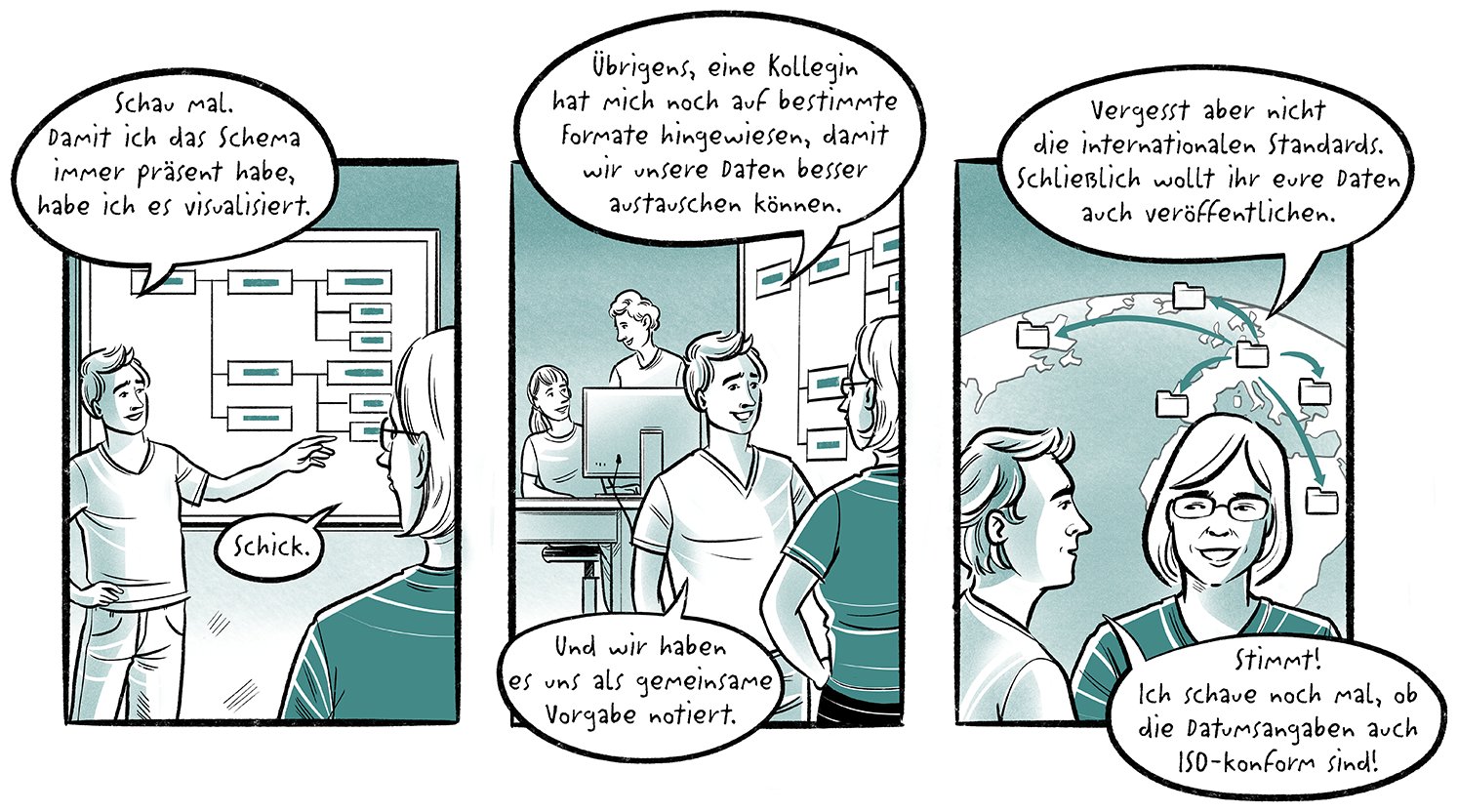
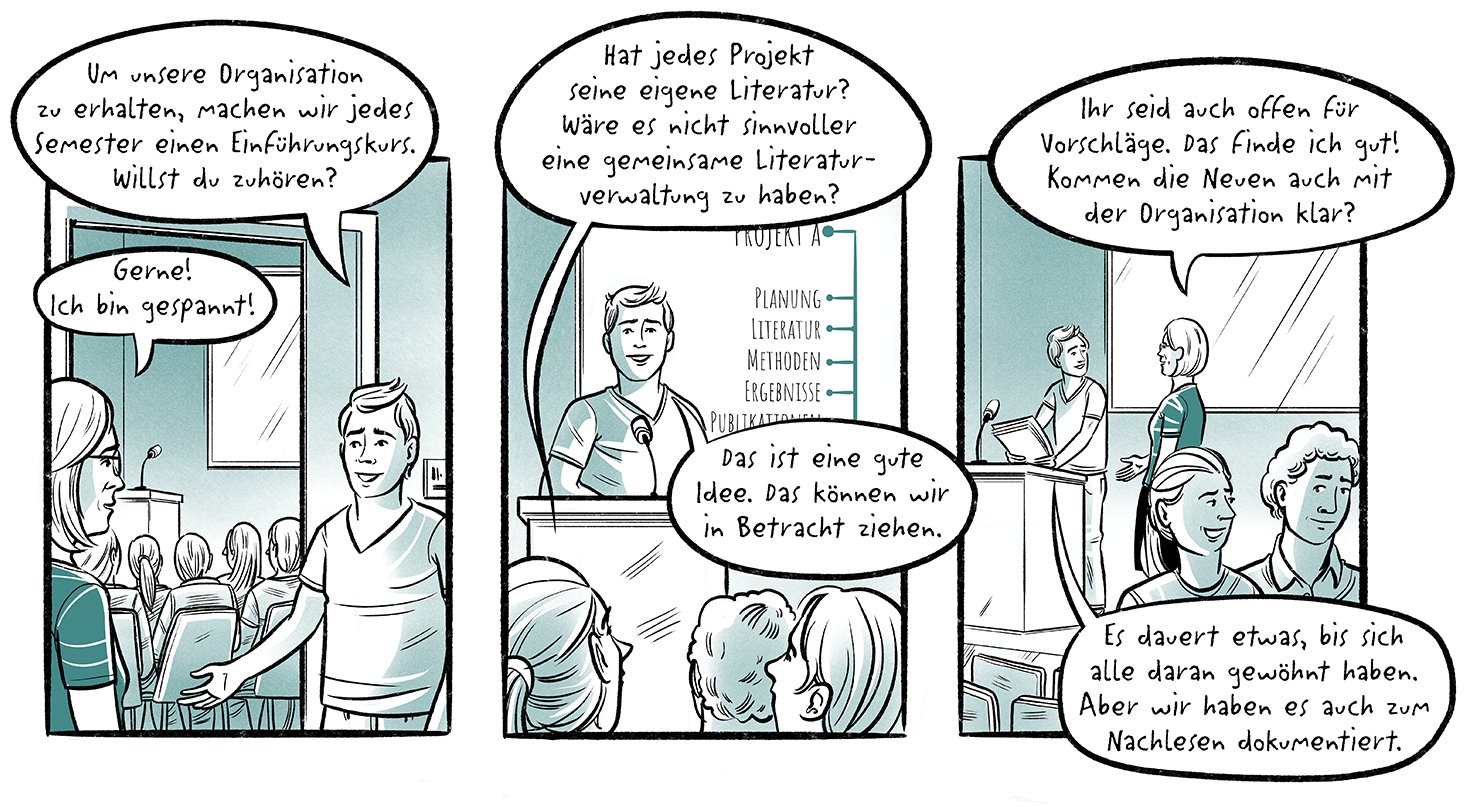
Comics: Thüringer Kompetenznetzwerk Forschungsdatenmanagement (2021), Die 5S-Methodik im Forschungsdatenmanagement, doi:10.5281/zenodo.4494258, licence CC BY-NC 4.0.
Change from both directions
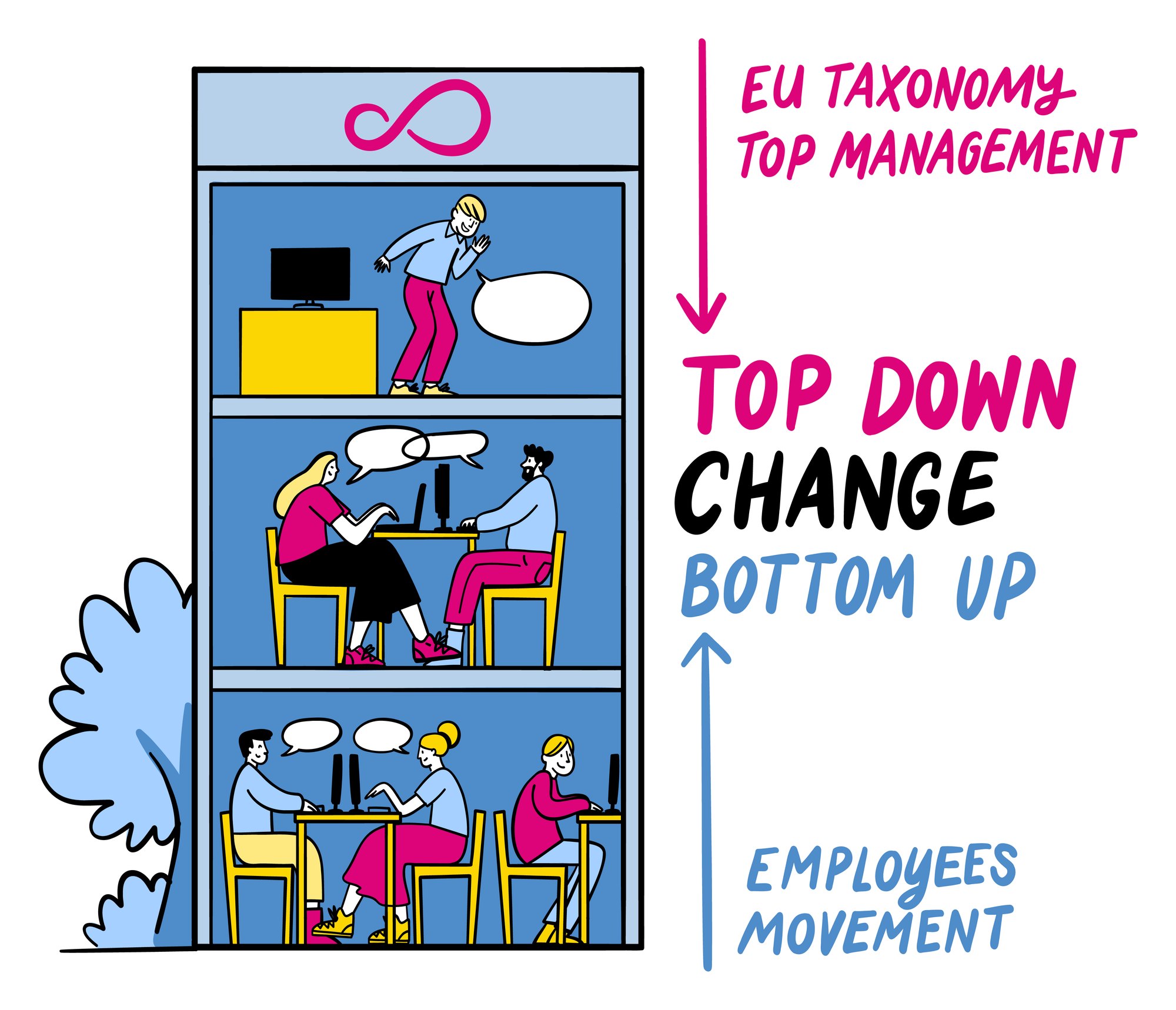
Lasting change needs both directions: top-down through regulation such as the EU Taxonomy and commitment from top management, and bottom-up through employees who take part, make suggestions and carry the routine.
The learning concept
Habits change through practice and repetition, not through plans. The learning concept therefore keeps every step simple, makes progress visible with a habit tracker at the workplace and uses comic language for the workbook, so that the content is easy to pass on. The before-and-after picture sums up the goal: from an overflowing data cupboard to an ordered one that saves time, money and energy and gives AI clean data to work with.
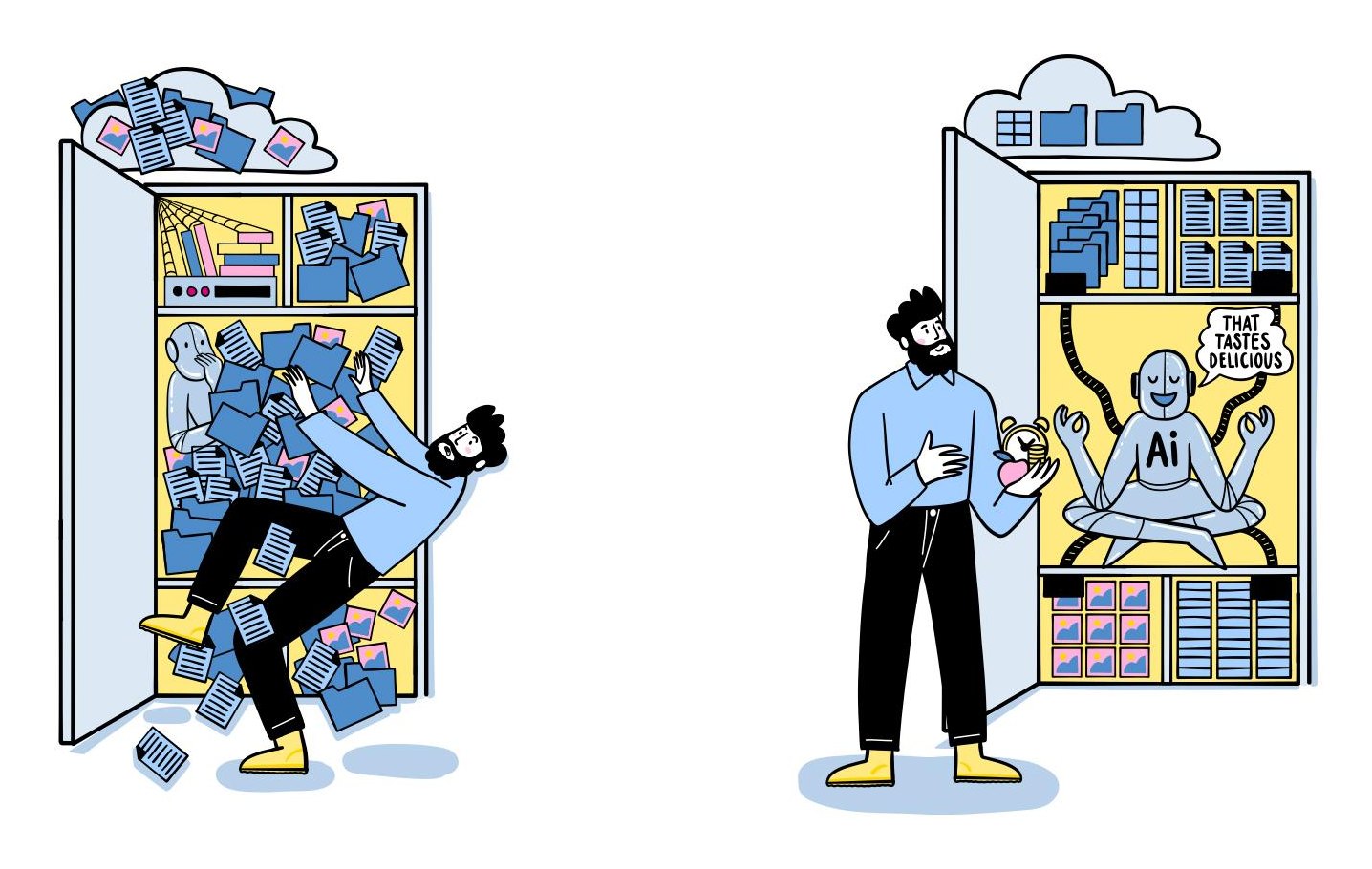

Before and after: the data cupboard and the digital workplace · Illustrations (AI-generated): Planet & Pixels
The format builds on experience from World Cleanup Day: with “World Cleanup Day macht Schule” and its small waste primer (Müllfibel), pupils prepare, carry out and evaluate their own cleanup. The digital workbook follows the same pattern for the workplace.

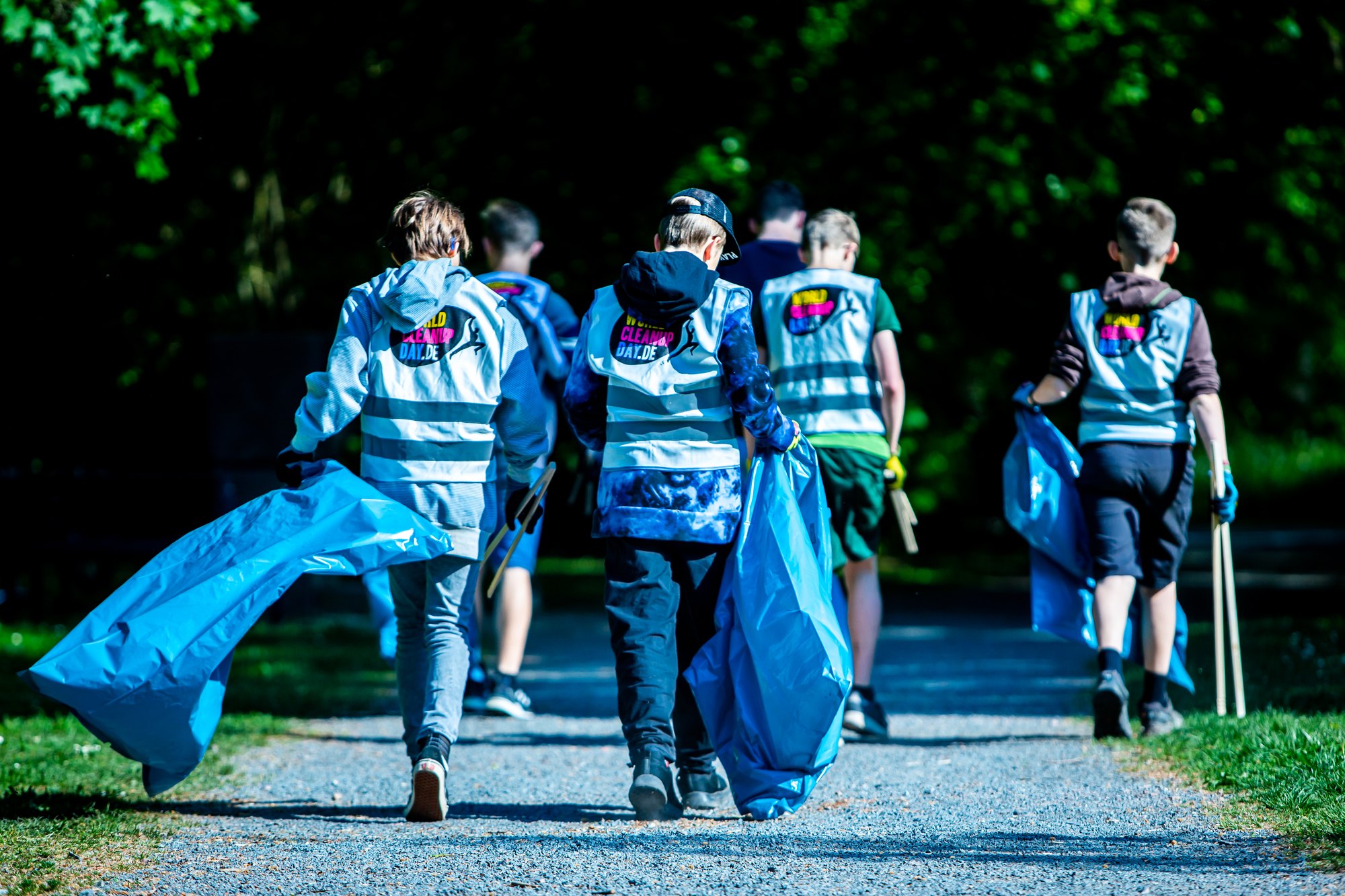
World Cleanup Day macht Schule: the waste primer (Müllfibel) and the cleanup · Photos: Planet & Pixels
Where the topic comes up at the WCI
World Cleanup Day
Scientific support for the movement, including how cleanup data is collected, verified and used.
WCRI
The World Cleanup Responsibility Index needs reliable, comparable data. To the WCRI
LIFE COMPASS
EU LIFE proposal on the climate impact of AI-driven digital systems and on MRV frameworks. To the project
Impact measurement
Methods for measuring and verifying impact in Cluster 4.4. To the cluster
Coming up
We Create Future Stage #4: Intelligence in the Loop – Sustainable Data Culture
Startup Idea – Mentor Stage: pitch your idea in 5 minutes · AI and sustainable data culture · 17:30–19:00 · CIC Berlin · registration open
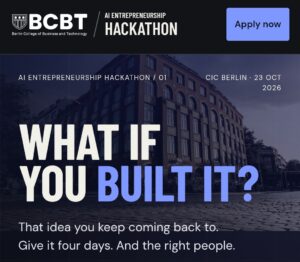
AI Entrepreneurship Hackathon
Build an AI app, agent or automation for a real business problem · CIC Berlin (23 and 26 Oct) and remote · theme cluster sustainable data culture · applications closed
Get involved
Work with us on a sustainable data cultureCompanies, cities and researchers · [email protected]Sources
- Veritas Technologies (2016): Global Databerg Report. Summary: IDM, 18 March 2016.
- Thüringer Kompetenznetzwerk Forschungsdatenmanagement (2021): Die 5S-Methodik im Forschungsdatenmanagement, Version 1.0. doi:10.5281/zenodo.4494258.
- University of Helsinki: Organizing data folders with the 5S-Data method.